
Worn teeth are not always just a normal part of getting older. Teeth grinding, clenching, acidic foods and drinks, and other forms of wear can gradually change the shape and strength of your teeth. You may notice flattened edges, chips, sensitivity, or jaw soreness. The good news is that identifying the cause can help protect your teeth from additional damage. Depending on the situation, worn or damaged teeth may also be treated with restorative options such as composite fillings, Bioclear restorations, or crowns.
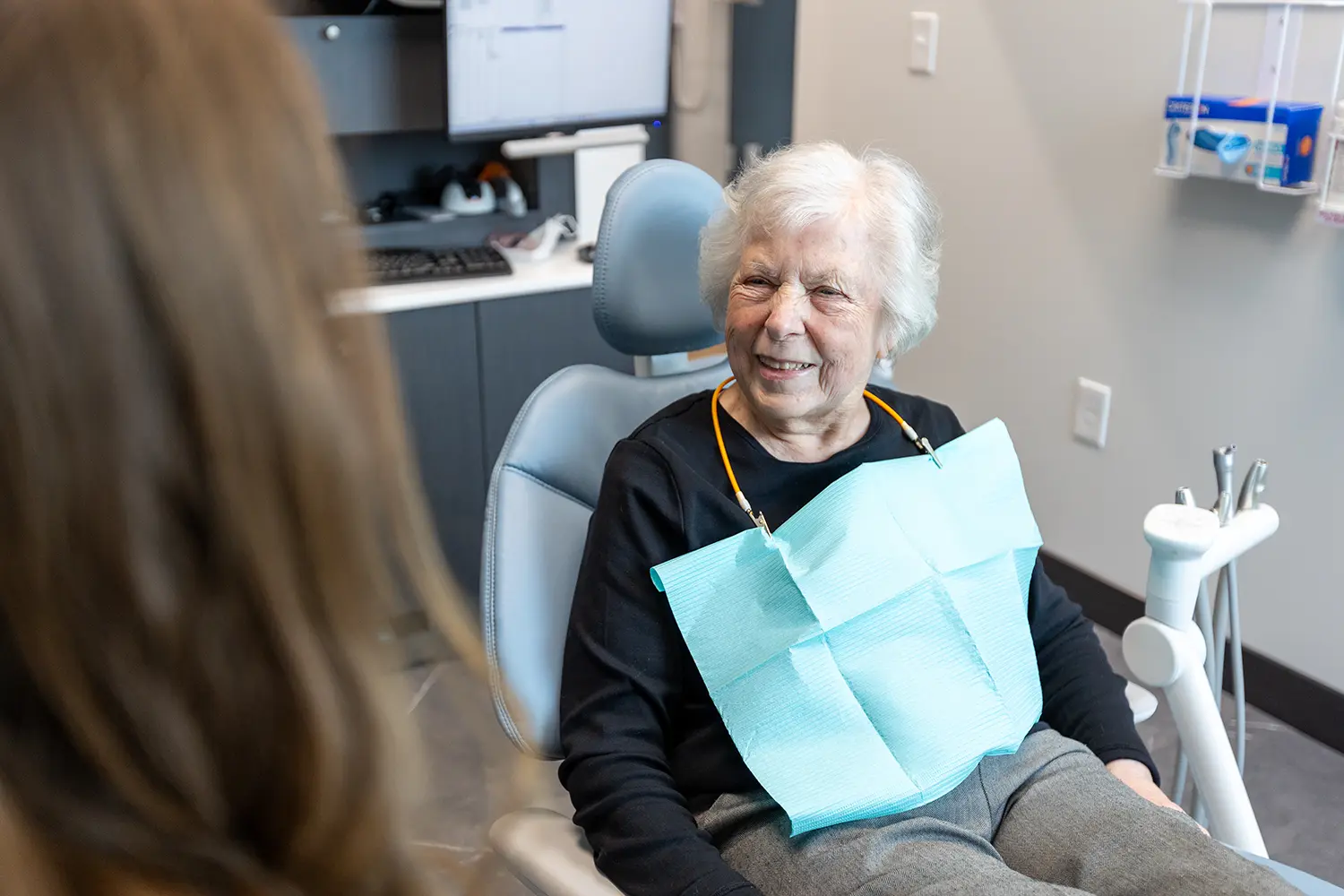
Teeth are built to handle years of chewing, biting, and everyday use. Still, they are not indestructible.
Over time, the edges and chewing surfaces of teeth can become flatter. Enamel may thin, small chips can appear, and some people begin noticing sensitivity or changes in the way their teeth fit together.
This is commonly referred to as tooth wear, and it can happen for more than one reason. Teeth grinding, acidic foods and drinks, normal chewing forces, and other factors can all contribute.
The important thing is that worn teeth are not something you have to simply accept as part of getting older. Finding out what is causing the wear can help prevent additional damage and determine whether treatment is appropriate.
Tooth wear is not always caused by a single problem. A dental examination can help distinguish between different types of wear and identify factors that may be contributing to it.
One of the more common concerns is bruxism, the dental term for grinding, clenching, or gnashing the teeth. It can happen while you are awake or asleep, and many people are unaware that they are doing it.
Frequent or severe bruxism can contribute to flattened, chipped, cracked, or loose teeth, worn enamel, sensitivity, and jaw soreness. Someone who grinds their teeth at night may not realize it until a dentist notices the signs or a sleeping partner hears the grinding.
Teeth grinding is also not the only possible explanation for worn teeth. A 2024 review found that the relationship between bruxism and tooth wear is more complicated than simply assuming that visible wear means someone grinds their teeth. That is one reason a dental evaluation matters.
Acid can gradually weaken the mineral structure of enamel. This process is called dental erosion.
Acidic drinks and foods can contribute to erosive tooth wear, particularly when exposure is frequent. Soft drinks, fruit juices, acidic snacks, and other dietary sources can play a role. Stomach acid from conditions such as acid reflux can also contribute.
Erosion is different from tooth decay. Dental erosion is a chemical process in which acid dissolves tooth structure, while cavities involve acids produced by bacteria in dental plaque.
Teeth naturally experience mechanical forces every day. In some people, those forces contribute to gradual changes in the shape and texture of the teeth.
Wear can also occur alongside other problems, such as acid exposure or clenching. That is why it is useful to look at the overall pattern rather than focusing on one possible cause.
Worn teeth do not always cause obvious symptoms at first. In fact, early dental erosion can be difficult to notice without a dental examination.
Some signs worth paying attention to include:
If you notice these changes, it does not necessarily mean you have severe enamel damage. It does mean the cause is worth discussing with your dentist.
Unfortunately, enamel that has been permanently lost does not grow back.
That makes prevention and early management important. If acid exposure is contributing to enamel wear, reducing that exposure can help limit further damage. If teeth grinding is involved, addressing the grinding or clenching can help protect the teeth.
Treatment depends on how much tooth structure has been affected and what caused the wear in the first place.
A few practical habits can help reduce some common sources of tooth wear.
If you regularly consume acidic drinks, consider reducing how often you have them. The ADA also recommends avoiding behaviors that increase acid contact with the teeth, such as holding or swishing acidic beverages in the mouth. Rinsing with water after acidic foods or drinks can also help.
Brushing harder does not mean brushing better. Use a soft-bristle toothbrush and fluoride toothpaste, and avoid aggressive back-and-forth scrubbing.
If you wake up with a sore or tired jaw, have frequent morning headaches, notice flattened teeth, or have been told that you grind your teeth while sleeping, mention it at your next dental visit.
A dentist can look for signs of bruxism and discuss ways to protect your teeth. Depending on the situation, treatment may include behavior changes, stress management, an oral appliance, or restorative treatment for teeth that have already been damaged.
Regular examinations give your dentist an opportunity to notice changes before they become a bigger problem. This is particularly useful with tooth wear because early changes may not cause noticeable symptoms.
Not every worn tooth needs to be restored. Sometimes the best approach is simply to identify the cause, monitor the wear, and work on preventing additional damage.
When a tooth has lost significant structure, however, restorative treatment may be appropriate.
At LIVCO. Dentistry in Howell, restorative dentistry includes treatments designed to repair damaged teeth and restore their shape and function. Depending on the tooth and the extent of the damage, treatment options may include composite fillings, dental crowns, or Bioclear restorations.
For example, a crown can cover and support a significantly damaged tooth, while a composite or Bioclear restoration may be appropriate for certain types of tooth damage where preserving natural tooth structure is possible. The right option depends on the individual tooth and the underlying problem.
Learn more about restorative dentistry in Howell, MI.
Yes, but treatment depends on what is contributing to the grinding and how it is affecting you.
A dentist can evaluate your teeth and jaw for signs of bruxism and discuss protective measures. An oral appliance may be recommended in some situations to separate the teeth and help prevent damage. For people whose grinding is associated with stress or other factors, additional approaches may also be appropriate.
It is also worth remembering that a mouthguard is not necessarily the answer to every case of worn teeth. The underlying cause should be evaluated first so treatment addresses the actual problem.
Consider making an appointment if you notice:
A dental examination can help determine whether the wear is stable or progressing and whether there is an underlying issue that needs attention.
Some tooth wear is part of living with your teeth for many years. But significant wear, enamel loss, or repeated damage deserves a closer look.
Teeth grinding, acid exposure, and other sources of mechanical or chemical wear can contribute to worn teeth. The earlier the cause is identified, the more opportunity there may be to protect the tooth structure you still have.
If you are noticing worn, chipped, sensitive, or flattened teeth, talk with a dentist about what may be causing the changes and whether restorative treatment could help. LIVCO. Dentistry provides restorative dentistry in Howell, MI for teeth that have been damaged or lost.
Some gradual changes in teeth can occur over time, but significant or rapidly progressing wear should not automatically be dismissed as normal aging. Your dentist can evaluate the pattern and look for contributing factors such as bruxism or acid exposure.
Teeth grinding can contribute to worn enamel and other tooth damage, particularly when grinding is frequent or severe. However, visible tooth wear does not by itself prove that someone has bruxism.
Permanently lost enamel does not grow back. The focus is generally on identifying and reducing the source of acid exposure, protecting the remaining tooth structure, and restoring damaged teeth when necessary.
No. Worn teeth can have multiple causes, including chemical erosion and mechanical wear. A dentist should evaluate the pattern of wear rather than assuming that bruxism is responsible.
Treatment depends on the cause and severity of the wear. Some people may need monitoring and preventive measures, while others may benefit from restorative treatment such as fillings, Bioclear restorations, or crowns. LIVCO. Dentistry lists these options as part of its restorative dentistry services.
Experience top-quality dental care at LIVCO Dentistry. Dr. Kala Mapes and her dedicated team are here to ensure your family's oral health in a welcoming and comfortable environment.
