
Even if a missing tooth isn't visible, it can influence the way you chew, the position of neighboring teeth, and your overall oral health over time. At LIVCO. Dentistry, Dr. Kala Mapes helps patients understand their tooth replacement options, including dental implants, so they can make informed decisions about their smiles.
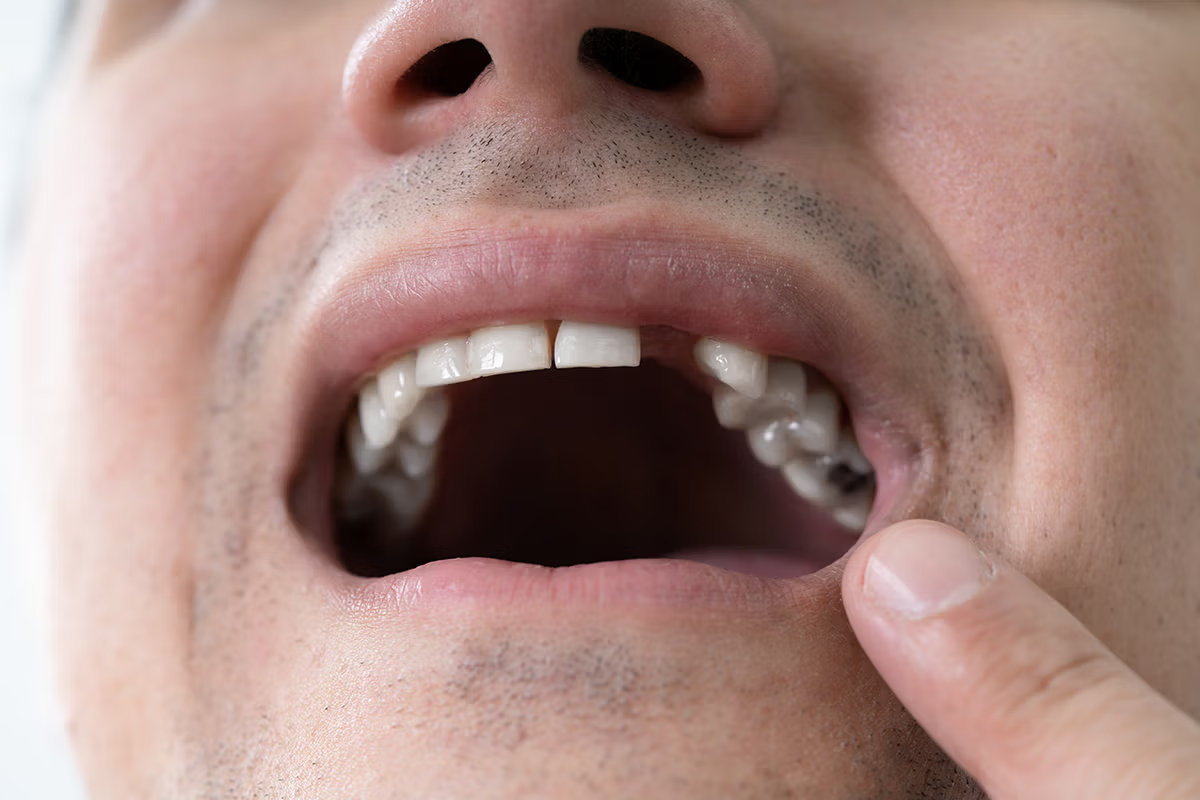
If you've lost a tooth, you may be wondering whether it really needs to be replaced. After all, if the gap isn't visible when you smile and you're able to eat without much trouble, it might not seem urgent.
While every situation is different, leaving a missing tooth untreated can affect more than just your appearance. Over time, it may change the way you chew, influence the position of neighboring teeth, and impact your overall oral health.
At LIVCO. Dentistry in Howell, Dr. Kala Mapes helps patients understand their tooth replacement options so they can make informed decisions based on their individual needs and long-term goals.
Here's what can happen if a missing tooth isn't replaced.
Each tooth helps support the position of the teeth around it.
When one tooth is missing, the neighboring teeth no longer have the same support. Over time, they may gradually drift into the empty space.
This movement can change the way your teeth fit together and may make brushing and flossing more difficult in certain areas.
Replacing a missing tooth can help maintain the spacing of your smile.
Your teeth work together every time you eat.
If one tooth is missing, you may naturally begin chewing more on the opposite side of your mouth or avoid certain foods altogether.
While this adjustment may seem minor at first, uneven chewing habits can place additional stress on other teeth over time.
Replacing the missing tooth helps restore a more balanced bite and chewing function.
As neighboring teeth shift, your bite may change as well.
A bite that no longer comes together properly can sometimes contribute to uneven tooth wear or place extra pressure on certain teeth.
During a dental exam, your dentist can evaluate how a missing tooth is affecting your bite and discuss treatment options if changes are occurring.
Your tooth roots play an important role in stimulating the jawbone during everyday chewing.
After a tooth is lost, the area where the root was located no longer receives the same stimulation. Over time, the jawbone in that area may change.
This is one reason dental implants are often discussed as a tooth replacement option. Because a dental implant is placed in the jawbone, it functions differently than restorations that replace only the visible portion of the tooth.
Your dentist can explain whether a dental implant or another restorative option may be appropriate for your situation.
Depending on which tooth is missing, you may notice subtle changes in the way certain words sound.
Front teeth play an important role in forming several speech sounds. Even a single missing tooth can affect pronunciation for some people.
Replacing the missing tooth may help restore normal speech patterns if tooth loss has affected the way you speak.
Not every patient needs to replace a missing tooth immediately, but delaying treatment for a long period can influence your available options.
Changes in tooth position, bite alignment, and the jawbone may affect future treatment planning.
Scheduling an evaluation soon after tooth loss allows your dentist to explain your options before significant changes occur.
The right treatment depends on your oral health, the location of the missing tooth, and your personal goals.
Common replacement options may include:
During your consultation, Dr. Mapes will explain the advantages and considerations of each option so you can choose the treatment that fits your smile.
It's easy to adapt to a missing tooth over time, especially if it isn't causing pain. However, adapting doesn't necessarily mean the tooth loss isn't affecting your oral health.
Whether you've recently lost a tooth or have been living with the gap for years, it's never too late to learn about your treatment options.
At LIVCO. Dentistry, Dr. Kala Mapes takes time to answer your questions, evaluate your smile, and recommend a treatment plan designed around your individual needs.
If you're wondering whether replacing a missing tooth is the right choice, schedule a consultation to discuss your options.
Not always. The best choice depends on the location of the missing tooth, your oral health, and your treatment goals. Your dentist can explain your options during an evaluation.
Yes. Neighboring teeth may gradually shift over time when a tooth is missing, which can affect spacing and your bite.
No. Depending on your situation, your dentist may discuss dental implants, bridges, or other restorative treatments.
Not necessarily. A consultation allows your dentist to evaluate your oral health and determine which treatment options may still be available.
Experience top-quality dental care at LIVCO Dentistry. Dr. Kala Mapes and her dedicated team are here to ensure your family's oral health in a welcoming and comfortable environment.
