
How often should you really see the dentist? For many people, a checkup every six months is a good starting point. But your ideal schedule depends on your oral health, history of cavities, and gum health. Learn more.
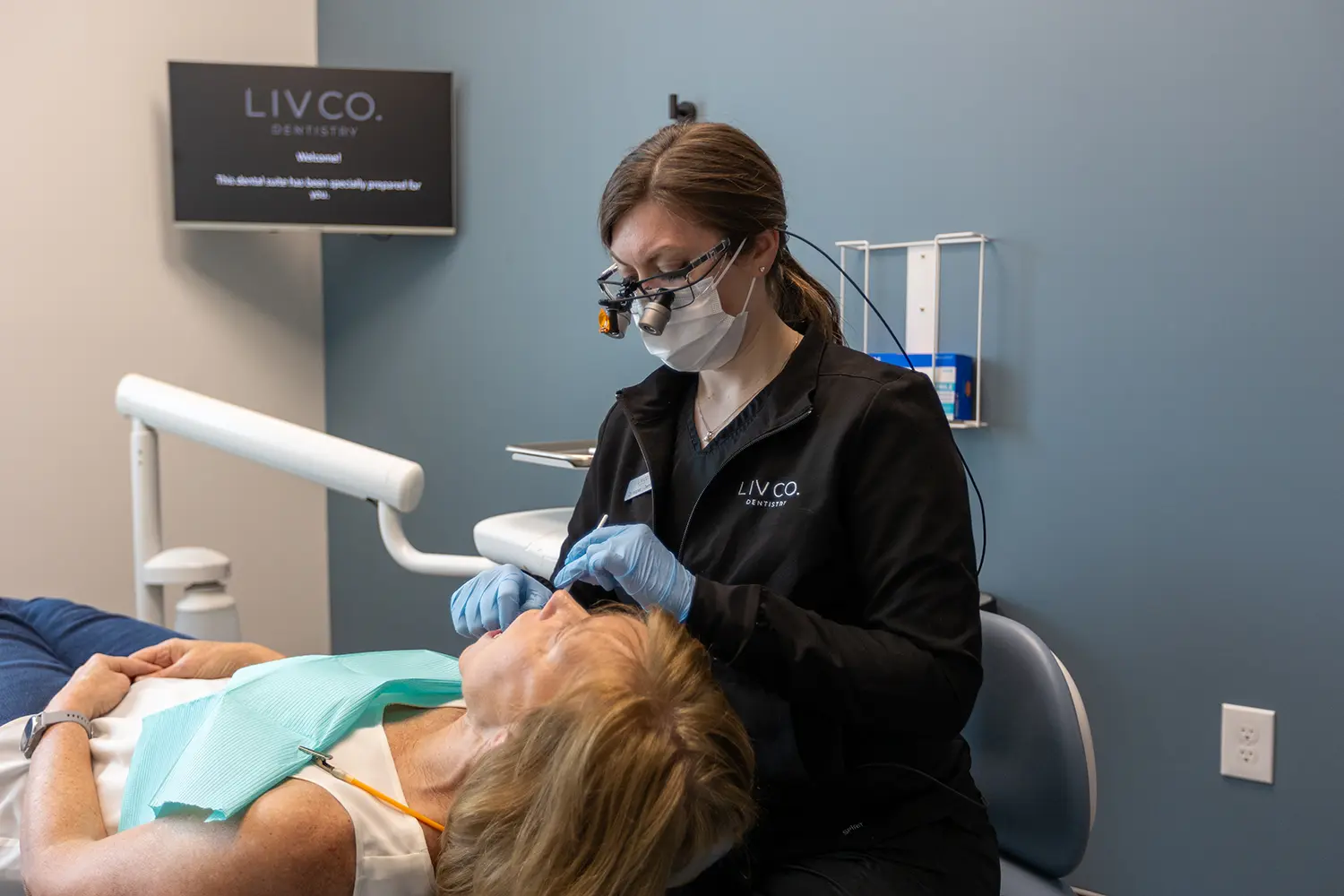
Life gets busy. Between work, school schedules, family commitments, and everything else on your calendar, a dental appointment can be easy to put off. If your teeth feel fine, you might even wonder if you need to go at all.
So, how often should you really see the dentist?
For many people, a dental checkup every six months is a reasonable starting point. But that schedule isn't right for everyone. Your oral health, history of cavities, gum health, and other risk factors can affect how frequently you need professional dental care.
At LIVCO. Dentistry in Howell, MI, preventive care helps patients stay on top of their oral health before small concerns become bigger problems. Here's what to know about dental checkup frequency and how to determine a schedule that makes sense for you and your family.
Many people are familiar with the recommendation to visit the dentist twice a year. While two visits annually work well for many patients, the right interval depends on your individual needs.
The American Dental Association recommends regular dental visits for prevention and treatment, with the frequency adjusted to a person's oral health needs and risk of disease.
For example, someone with healthy gums and a low history of tooth decay may need a different schedule than someone who frequently develops cavities or is managing gum disease.
Your dentist can evaluate your teeth and gums, review your dental history, and recommend when you should return. The goal isn't simply to fill your calendar with appointments. It's to keep your mouth healthy and address potential concerns at an appropriate time.
The takeaway: If you're unsure how often you should see the dentist, start with a dental exam and ask your dentist to recommend a schedule based on your current oral health.
Two people can brush and floss every day yet need different dental appointment schedules. That's because home care is only one part of the picture.
Several factors can influence how frequently you need checkups and professional cleanings.
If you've had several cavities over the years, your dentist may recommend more frequent monitoring. Previous decay can help your dentist assess your risk of developing new cavities.
Diet, fluoride exposure, oral hygiene habits, and dry mouth can also affect your risk. For instance, certain medications can reduce saliva production, making it harder for your mouth to protect against tooth decay.
If cavities have been a recurring issue, ask your dentist whether your current appointment schedule provides enough preventive support.
Healthy gums need attention, too.
Redness, swelling, tenderness, or bleeding when you brush or floss can be signs of gum inflammation. Gum disease may also develop without obvious discomfort, which is one reason regular examinations matter.
Patients with diagnosed gum disease may need a different maintenance schedule from those with healthy gums. After periodontal treatment, some patients may need professional maintenance visits every three to six months, depending on their gum health and their dentist's recommendations.
If your gums bleed regularly, don't wait for your next routine cleaning to mention it.
Your general health can affect your oral health.
Diabetes, for example, is associated with an increased risk of gum disease. Some medications can cause dry mouth, which may increase the risk of tooth decay. Other health circumstances may also change your preventive care needs.
Tell your dentist about new diagnoses, medications, and changes in your health. This information can help determine whether your usual checkup schedule is still appropriate.
Brushing twice a day with fluoride toothpaste and cleaning between your teeth daily are important parts of preventive care.
But even a solid home care routine doesn't replace professional examinations and cleanings. Plaque can harden into tartar, which cannot be removed with ordinary brushing and flossing.
Your dentist or dental hygienist can also identify areas where plaque tends to accumulate and suggest ways to improve your technique.
If you're having trouble cleaning certain areas, mention it at your next appointment. A small adjustment to your routine may help you manage those spots more effectively.
Children need regular dental care, too. Their teeth and jaws are developing, and their oral health needs change as they grow.
Many children benefit from dental visits about every six months, although the recommended interval can vary depending on their individual needs and risk of tooth decay.
A child's dentist can monitor developing teeth, look for early signs of cavities, and help parents establish effective brushing and flossing habits.
Parents should also know that the first dental visit should happen early. The American Academy of Pediatric Dentistry recommends establishing a dental home when the first tooth appears and no later than 12 months of age.
Starting early gives parents an opportunity to ask questions about teething, fluoride, diet, brushing, and other everyday concerns.
As children get older, regular checkups can help them become more familiar with dental care and make it easier to identify changes in their oral health.
If you're preparing for your child's first appointment, read our guide to what to expect at your first family dentist visit.
LIVCO. Dentistry provides family dentistry in Howell, MI, including preventive dental care for patients at different stages of life.
Not exactly. Dental cleanings and examinations serve related but different purposes.
A dental cleaning focuses on removing plaque and tartar buildup from your teeth. Your dental hygienist may also discuss brushing, flossing, and other habits that affect your oral health.
A dental exam allows your dentist to assess your teeth, gums, and other oral tissues for signs of potential problems. Depending on your needs, the examination may also involve reviewing existing dental concerns or determining whether dental X-rays are appropriate.
Both are important parts of preventive care, but the exact services performed during an appointment can vary.
For example, a patient with significant tartar buildup or periodontal disease may need a different type of cleaning than someone with generally healthy gums. The dental team can explain what type of care is appropriate and whether additional appointments are needed.
If you're scheduling a visit, it's worth asking whether your appointment includes both an examination and a cleaning.
For more information about the value of staying on schedule, read our article on why regular dental exams can save time, money, and toothaches.
Maybe your last dental appointment was a year ago. Maybe it's been several years.
You're not alone in putting dental care off, and you don't need to wait until something hurts to make an appointment.
A good first step is to schedule an examination so your dentist can assess your current oral health and recommend what comes next.
Depending on your needs, your visit may involve:
You may need additional treatment or a separate cleaning appointment, depending on what the examination reveals.
If you're concerned about cost, timing, or what your appointment might involve, mention those concerns when you contact the office. Knowing what to expect can make it easier to take the next step.
One important distinction: routine appointments are meant to help maintain oral health. If you already have a persistent toothache, facial swelling, or another concerning symptom, don't wait for your next scheduled checkup. Contact a dental professional for guidance.
Yes, going longer than recommended can make it easier for certain dental problems to go unnoticed.
Tooth decay doesn't always cause pain in its early stages. Gum disease can also progress before symptoms become obvious. Without regular examinations, these conditions may not be identified until they require more involved treatment.
That doesn't mean every missed appointment will lead to a dental problem. It does mean that feeling fine isn't a reliable way to determine whether your teeth and gums are healthy.
If you've fallen behind on routine care, focus on getting back on schedule rather than worrying about how long it's been.
Your dentist can help you assess your current needs and establish a practical plan moving forward.
Once you know how often you should visit the dentist, the next challenge is making those appointments happen.
A few simple habits can help:
At LIVCO. Dentistry, preventive care is part of family dentistry for patients at different stages of life. Regular appointments give you an opportunity to discuss concerns, receive professional guidance, and keep track of changes in your oral health.
Dental checkups aren't one-size-fits-all. While many people do well with visits every six months, your ideal schedule depends on your oral health and individual risk factors.
If you're overdue for a cleaning or aren't sure when you should return, a dental examination is a practical place to start.
LIVCO. Dentistry provides family dentistry and preventive dental care in Howell, MI for children, adults, and seniors. Dr. Kala Mapes and the team can help you assess your current dental needs and discuss an appropriate plan for ongoing care.
Ready to get back on track? Contact LIVCO. Dentistry or call (517) 292-0073 to schedule your next dental visit.
Experience top-quality dental care at LIVCO Dentistry. Dr. Kala Mapes and her dedicated team are here to ensure your family's oral health in a welcoming and comfortable environment.
