
Persistent jaw soreness and headaches may be connected to overworked jaw muscles. For some patients, Botox may be an option to help reduce muscle tension after a thorough evaluation. At LIVCO. Dentistry, Dr. Kala Mapes takes time to understand your symptoms before recommending treatment. If you're dealing with ongoing jaw discomfort, schedule a consultation to learn about your options.
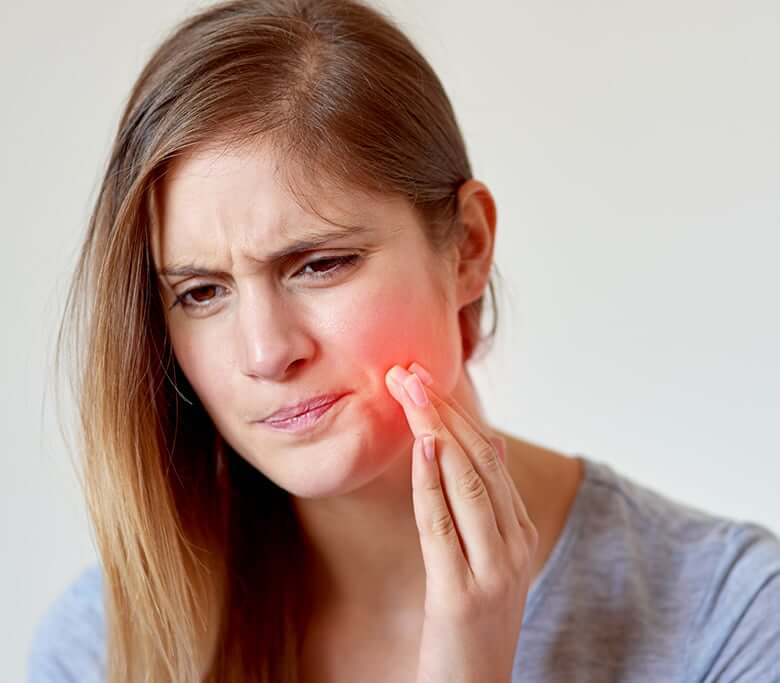
If your jaw feels sore at the end of the day, you wake up with headaches, or chewing sometimes causes discomfort, you're not alone. Jaw pain can make everyday activities frustrating, and many people don't realize that the source of the problem may be overworked jaw muscles.
While Botox is often associated with cosmetic treatments, it is also used in dentistry for certain patients experiencing jaw muscle tension. If you've heard about Botox for TMJ and wondered whether it might help, understanding how it works is a good place to start.
At LIVCO. Dentistry in Howell, Dr. Kala Mapes offers Botox as one of the services available to patients. During a consultation, she'll evaluate your symptoms and discuss whether Botox may be an appropriate part of your treatment plan.
What Is TMJ?
TMJ stands for the temporomandibular joint, the joint that connects your lower jaw to your skull. You use this joint every time you speak, chew, yawn, or swallow.
Problems involving the jaw joint or the surrounding muscles can lead to symptoms such as:
These symptoms can have different causes, which is why an evaluation is important before deciding on treatment.
Botox works by temporarily reducing the activity of targeted muscles.
When certain jaw muscles are constantly overworking, they can contribute to muscle tension and discomfort. By relaxing those muscles, Botox may help reduce strain that contributes to jaw pain for some patients.
Botox does not permanently change the jaw joint itself. Instead, it focuses on reducing excessive muscle activity that may be contributing to symptoms.
Whether Botox is appropriate depends on the cause of your discomfort.
Many people are surprised to learn that jaw muscles can contribute to headaches.
If you clench or grind your teeth, the muscles responsible for chewing may stay active for long periods, particularly during sleep. Over time, this constant muscle activity may contribute to soreness around the jaw, temples, or sides of the face.
Because headaches can have many different causes, your dentist will first evaluate whether jaw muscle tension appears to be part of the problem before discussing treatment options.
Every patient experiences jaw discomfort differently.
During your visit, Dr. Mapes will discuss:
The goal is to understand what may be contributing to your discomfort before recommending Botox or another treatment option.
If Botox is recommended, the treatment itself is typically completed during an office visit.
Small amounts of Botox are placed into specific muscles identified during your evaluation. The process is relatively quick, and many patients are able to return to their usual daily activities afterward.
Your dentist will explain what to expect, including when you may begin noticing changes and when follow-up visits may be appropriate.
No.
Jaw pain can develop for many reasons, including joint problems, muscle tension, arthritis, injury, or dental issues.
Botox may be appropriate for some patients, but not every case of jaw pain or TMJ symptoms is treated the same way.
That's why a thorough evaluation is an important first step. Understanding the source of your symptoms helps guide the treatment recommendation.
If jaw pain, facial tension, or recurring headaches are becoming part of your routine, it's worth having them evaluated.
You should consider scheduling an appointment if you notice:
Addressing symptoms early may help prevent them from becoming more disruptive over time.
Living with ongoing jaw discomfort isn't something you simply have to accept.
At LIVCO. Dentistry, Dr. Kala Mapes takes time to understand what's causing your symptoms before recommending treatment. If Botox may be an appropriate option for your situation, you'll have the opportunity to discuss how it works, what to expect, and whether it fits your treatment goals.
If you're experiencing jaw pain or tension headaches, schedule a consultation to learn more about your options.
Botox may help some patients whose jaw discomfort is related to muscle tension. A consultation is necessary to determine whether it is appropriate for your situation.
Treatment is typically completed during an office visit, although appointment times vary depending on your individual treatment plan.
Botox is not considered a cure for every TMJ disorder. It may help manage symptoms related to muscle activity in appropriate patients.
Yes. An evaluation helps determine the cause of your symptoms and whether Botox or another treatment may be recommended.
Experience top-quality dental care at LIVCO Dentistry. Dr. Kala Mapes and her dedicated team are here to ensure your family's oral health in a welcoming and comfortable environment.
